
New York
USA
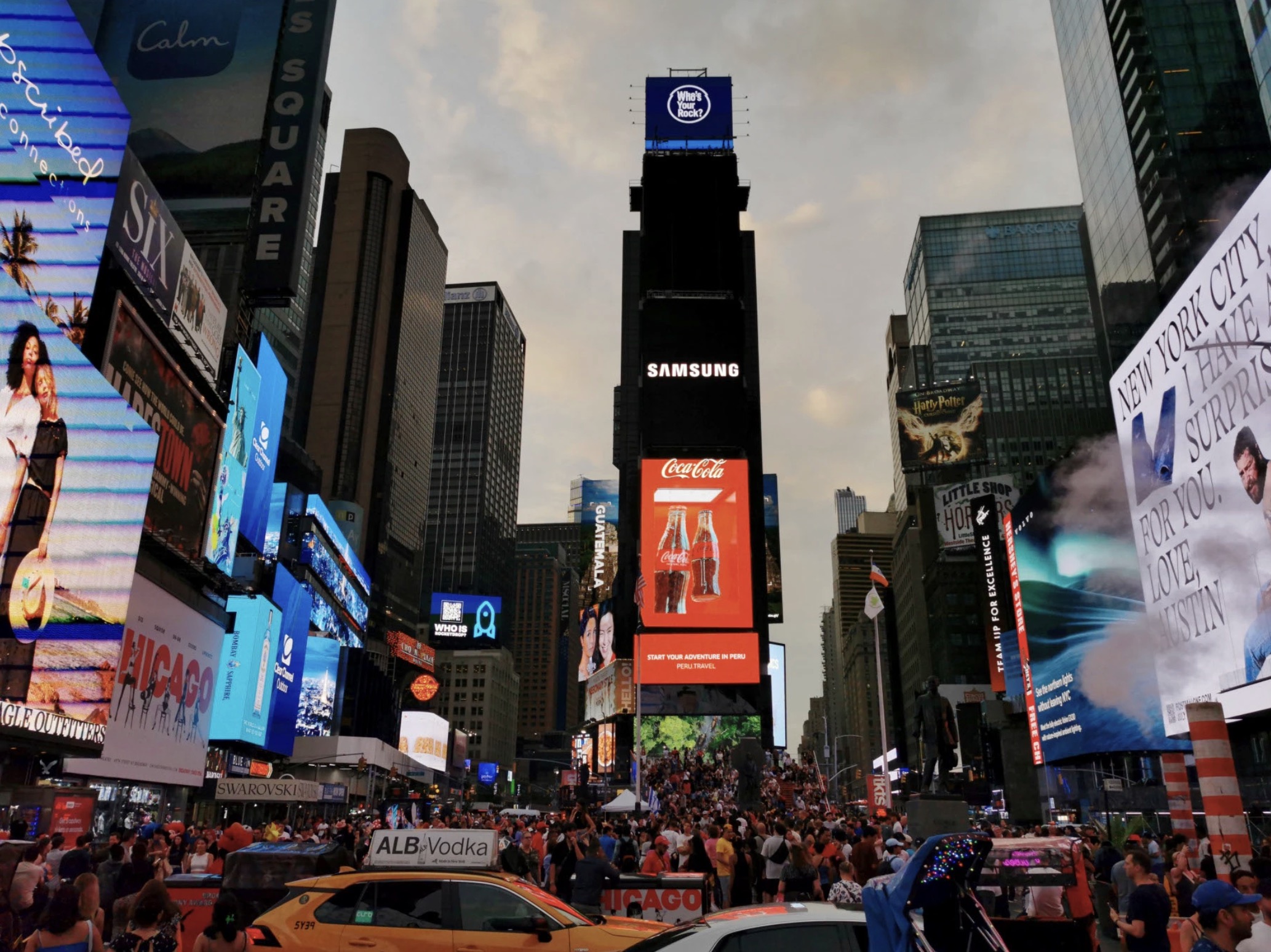
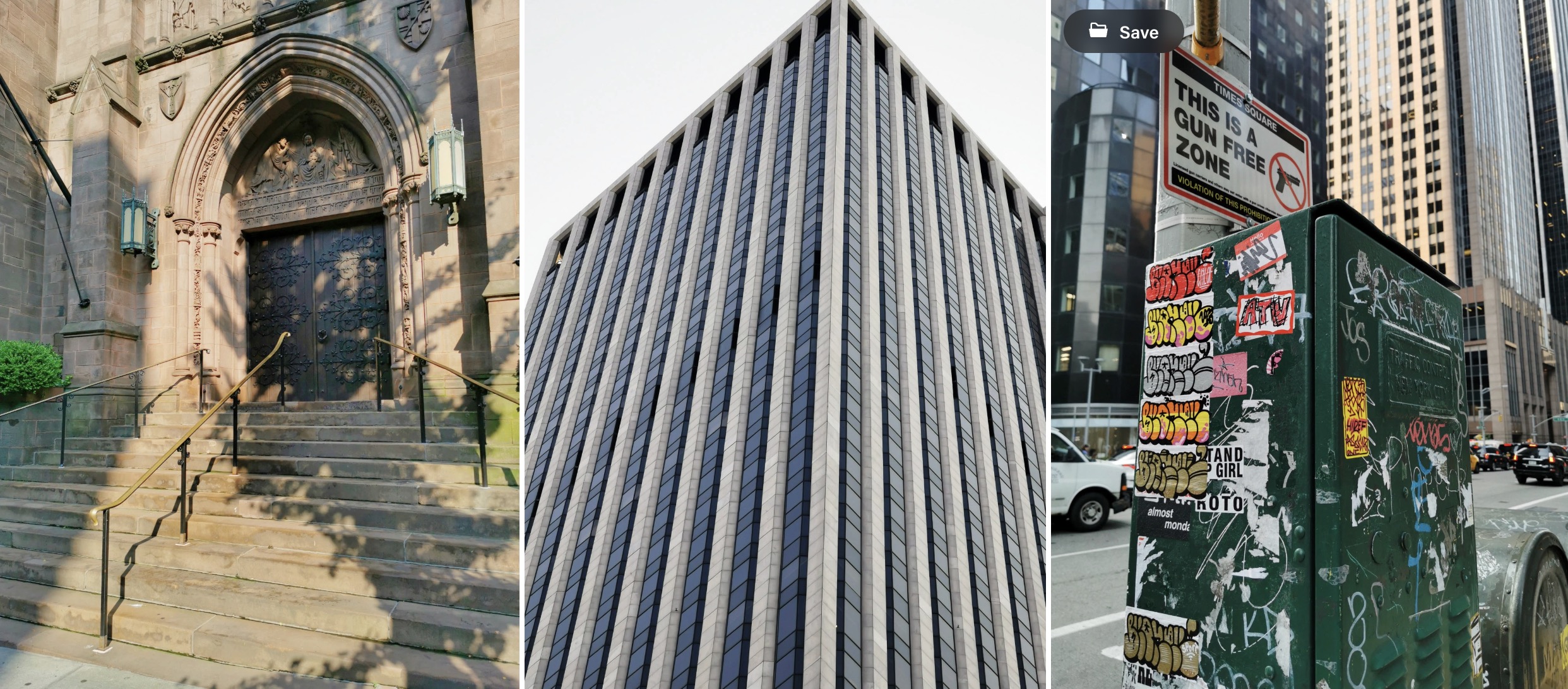
New York is often described through its landmarks, skyline, and relentless pace, but what struck me most was its verticality. The city seems to pull the eye upward at every opportunity. Streets become narrow corridors between glass, steel, and stone, while the sky appears only in fragments above. Yet despite its scale, New York is experienced at ground level. Through hurried footsteps, steam rising from street grates, conversations drifting from open cafés, and the constant movement of people navigating the city’s layered rhythms. It is a place where architecture shapes perception, compressing and expanding one’s sense of space from one block to the next.
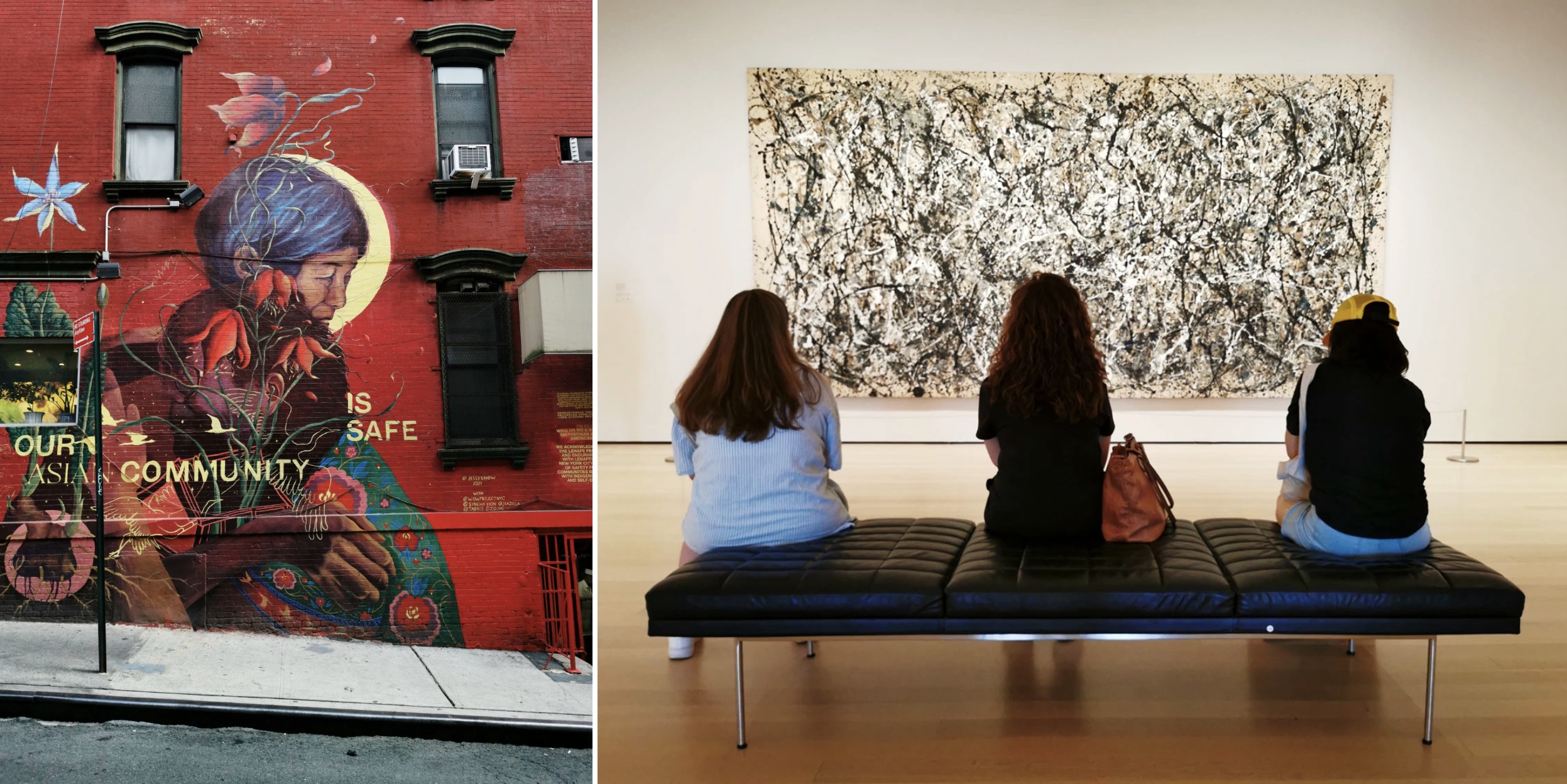
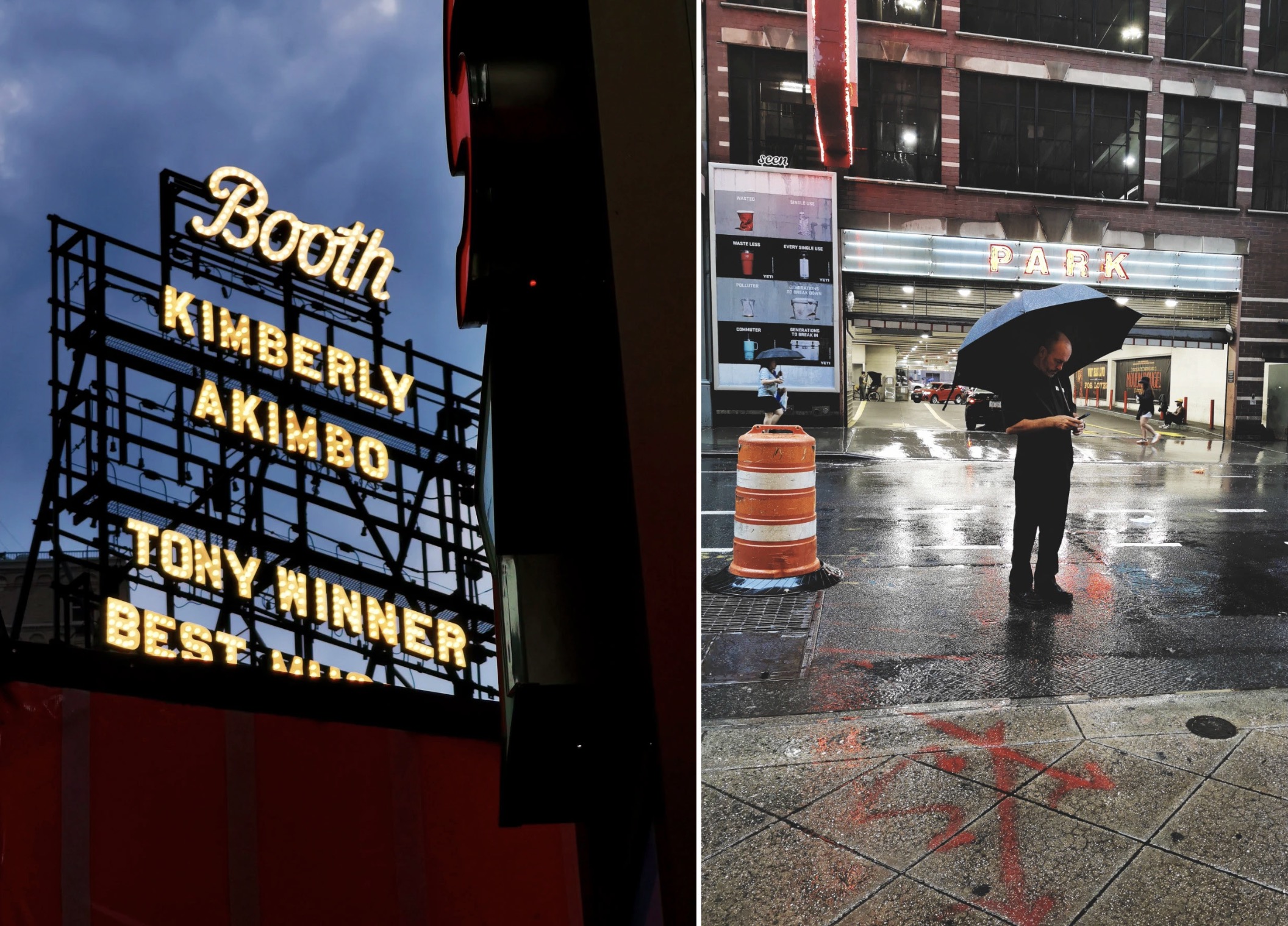
Walking through Manhattan during the summer, I found myself paying less attention to the famous landmarks and more to the spaces in between. Reflections sliding across building facades, brief pauses on museum steps, conversations drifting from cafés, and the shifting patterns of light between streets revealed a different city from the one often portrayed in postcards. One unexpected challenge was deciding where to look. New York presents so much visual information that even a reasonably disciplined observer can experience something resembling bandwidth limitations. Every block seemed to offer another detail, another interaction, or another fleeting moment competing for attention. What stayed with me was not any single attraction, but the feeling of being inside a city that is constantly rewriting itself through the people moving within it.




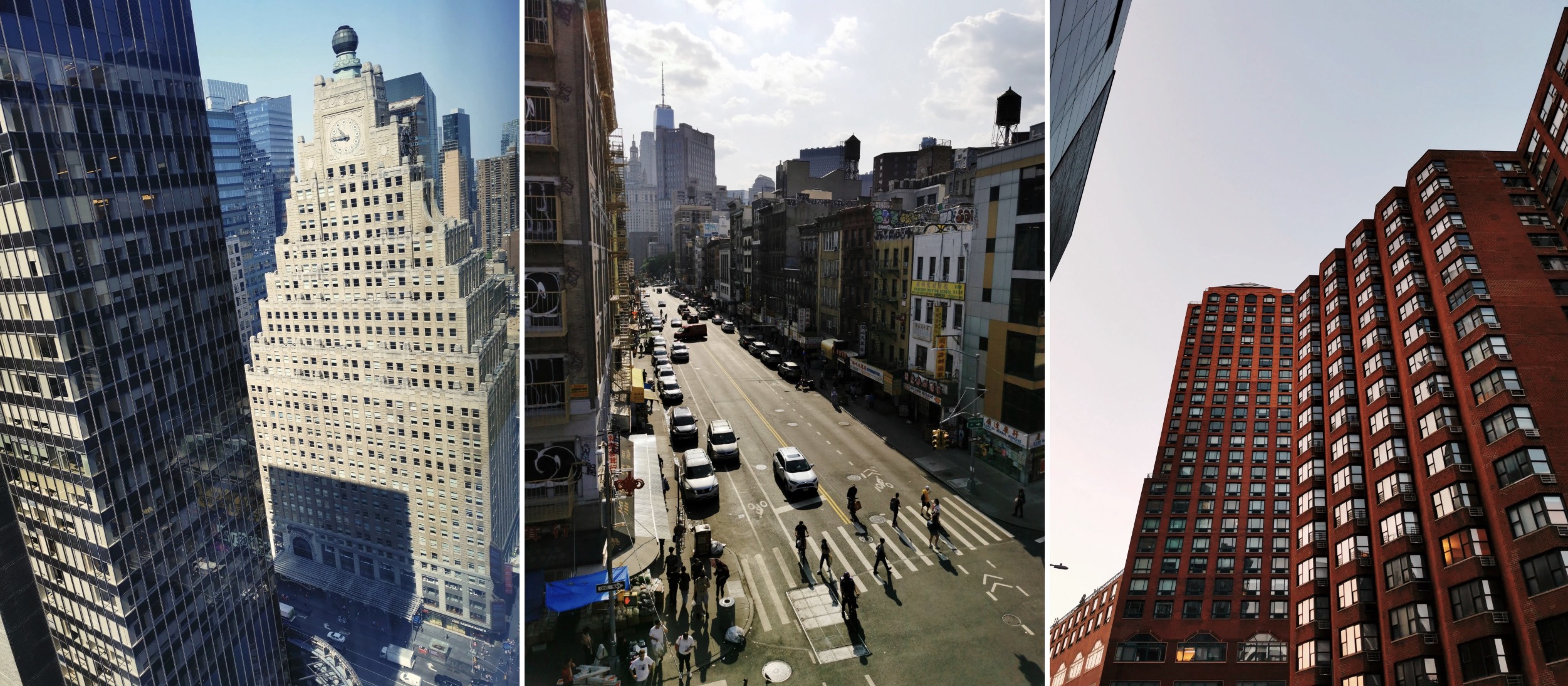
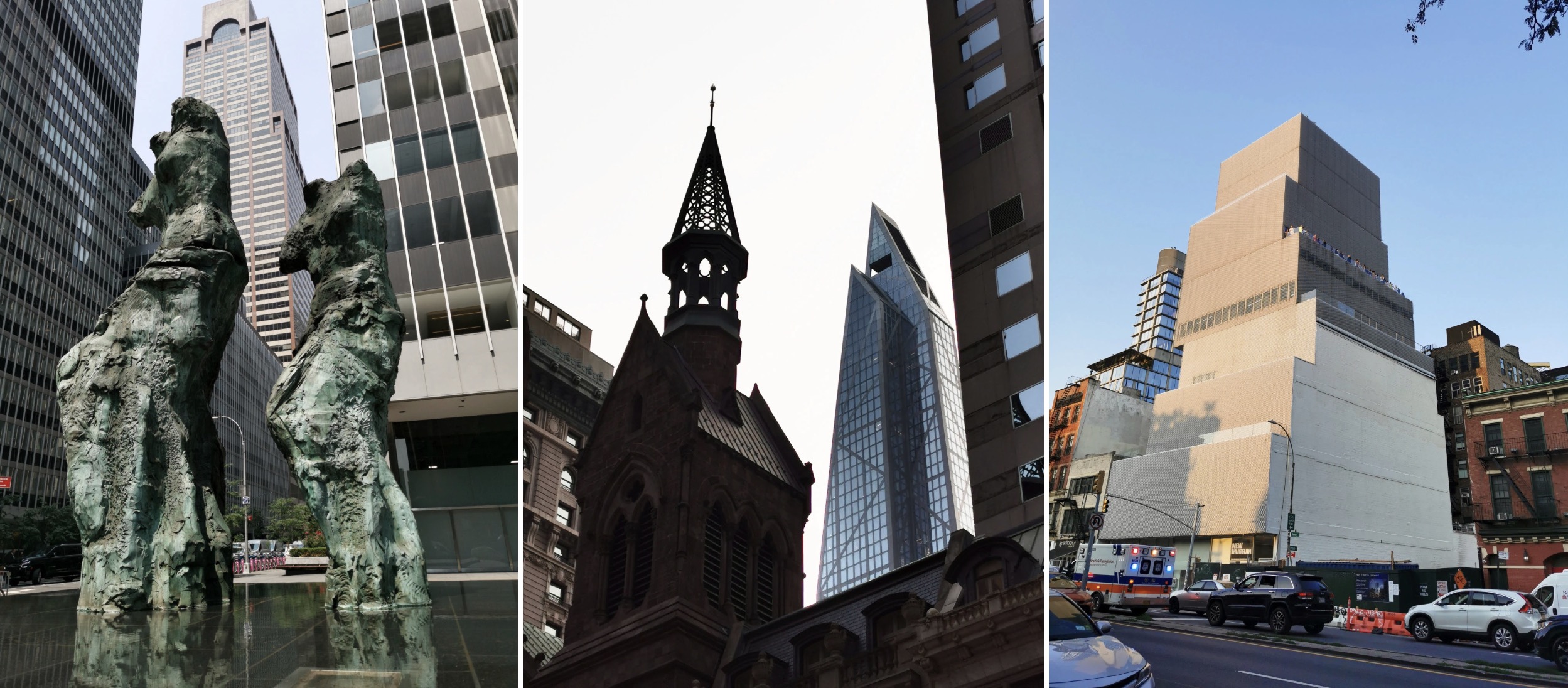
This series is part of Julius Yls’ ongoing visual field notes, where photography and short-form writing are used to observe how places are experienced through movement, light, atmosphere, and everyday encounters. Each entry combines a brief reflection with a concise sequence of selected images, offering fragments of a place rather than attempting to describe it completely.
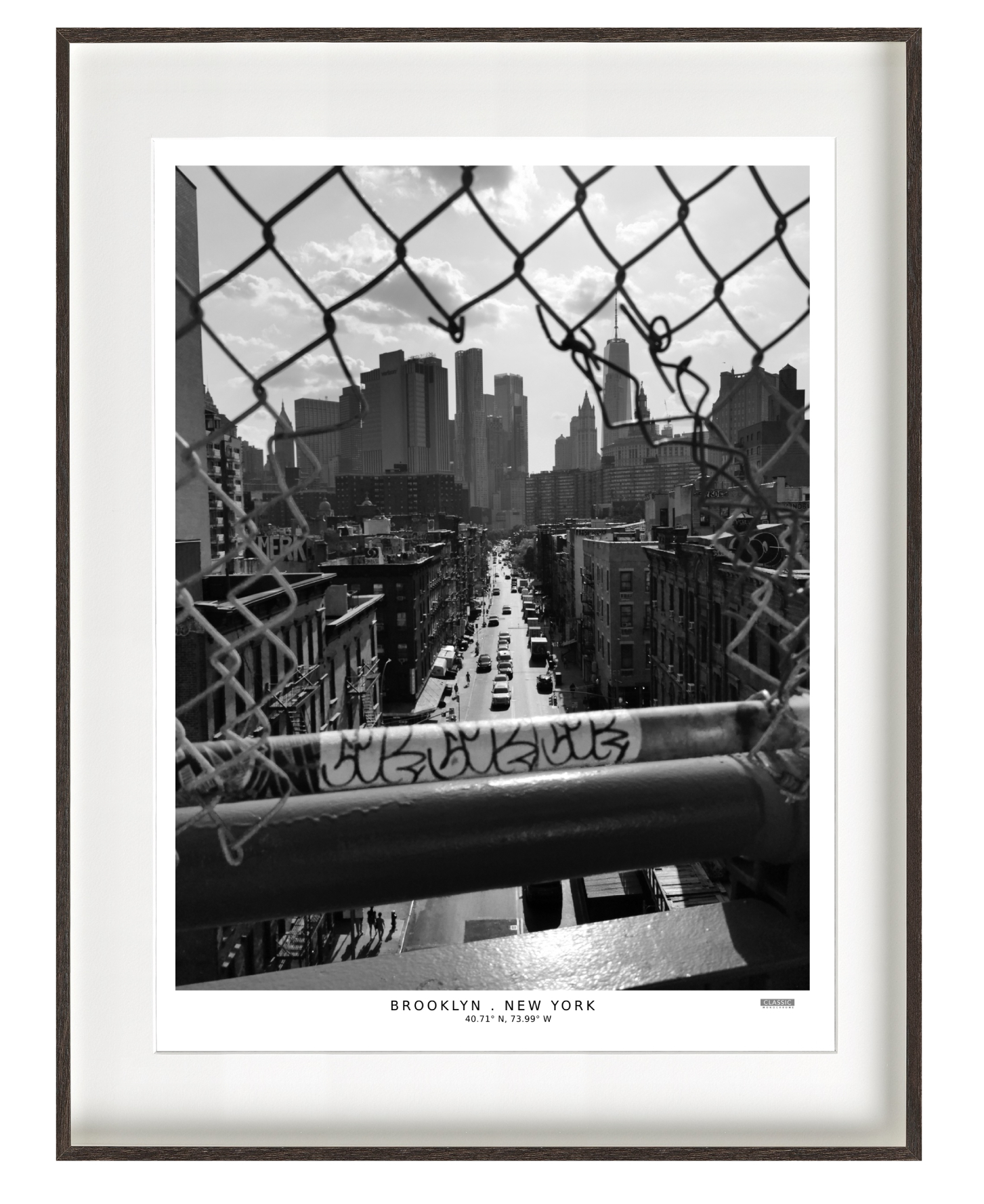
13Collections extends this way of seeing into a dedicated body of black-and-white photographic work, where moments from different places are distilled into quiet visual sequences designed for reflection, spatial presence, and ongoing research into the relationship between image, place, and perception.